Why Germany Is a Strategic Hiring Destination
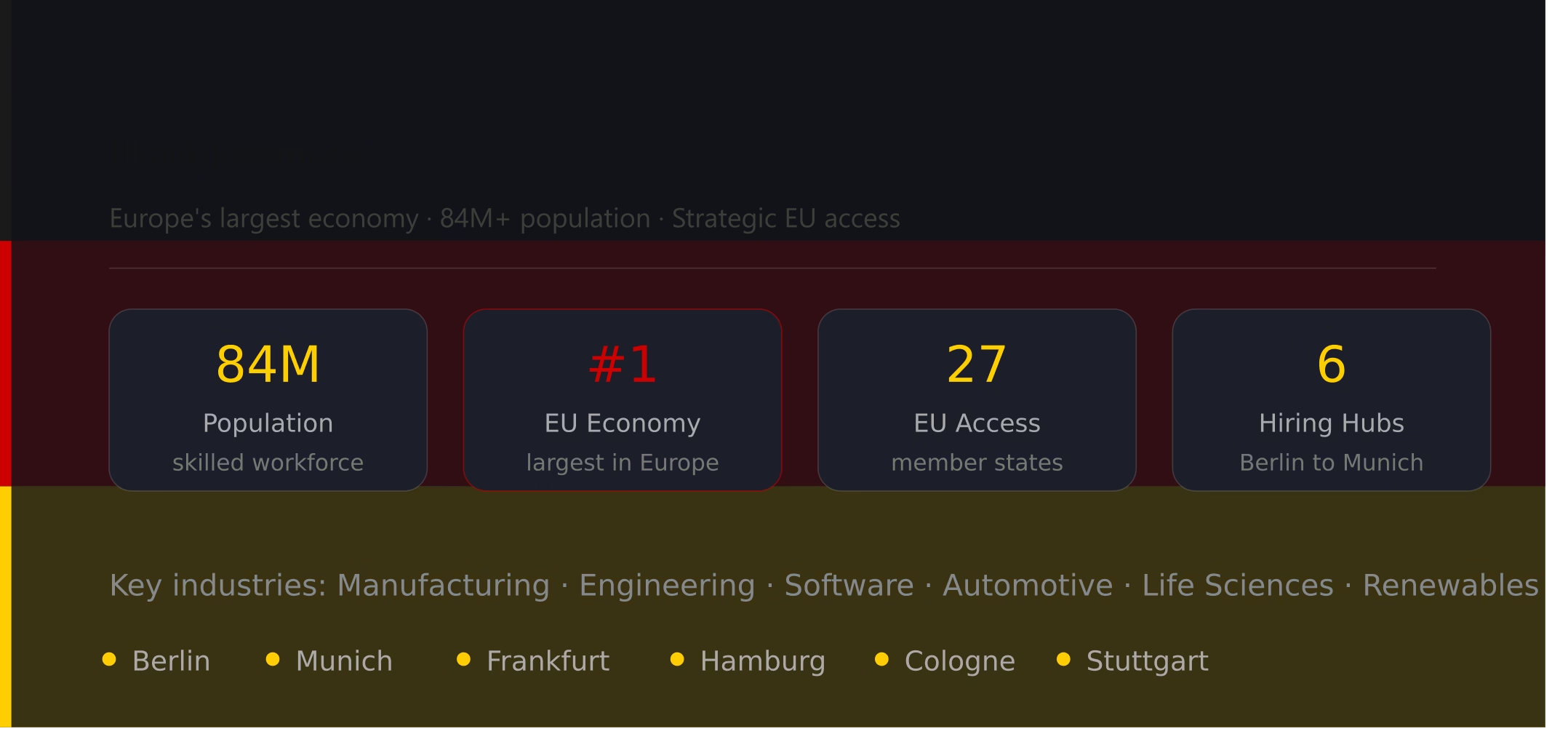
Germany is Europe’s largest economy and one of the world’s leading centers for manufacturing, engineering, software development, automotive innovation, renewable energy, and life sciences.
For international companies expanding into Europe, Germany often becomes the first hiring destination due to its:
- Highly skilled workforce
- Strong economy
- Strategic access to the European Union
- Advanced infrastructure
- Large pool of technical and professional talent
Key hiring hubs include:
- Berlin
- Munich
- Frankfurt
- Hamburg
- Cologne
- Stuttgart
However, Germany is also known for having some of Europe’s most comprehensive employment protections and compliance requirements. Companies hiring in Germany must carefully navigate labor laws, payroll regulations, social security contributions, employee benefits, and termination restrictions.
Understanding Germany’s Employment Landscape
Germany operates under a highly regulated employment framework designed to protect workers.
Unlike some countries where employment can be terminated relatively easily, German labor laws strongly favor employee protection.
Employers must comply with:
- German Civil Code (BGB)
- Working Time Act
- Federal Vacation Act
- Minimum Wage Act
- Social Security Regulations
- Collective Bargaining Agreements (where applicable)
- Data Protection Laws (GDPR)
Failure to comply can result in fines, employee disputes, and significant legal liabilities.
Establish a German Legal Entity
Foreign companies can hire employees directly by creating a German entity.
Common structures include:
GmbH (Limited Liability Company)
The most common legal structure for foreign businesses.
Branch Office
Suitable for certain international operations.
Representative Office
Limited business activities allowed.
Advantages
- Full control over operations
- Direct employment relationships
- Local business presence
Challenges
- Registration procedures
- Corporate tax obligations
- Payroll administration
- Ongoing compliance requirements
- Accounting and reporting obligations
Entity setup often takes several weeks or months before hiring can begin.
Hire Through an Employer of Record (EOR)
An Employer of Record (EOR) enables companies to hire employees in Germany without establishing a local entity.
The EOR becomes the legal employer while the client company manages day-to-day work.
The EOR handles:
- Employment contracts
- Payroll processing
- Tax withholdings
- Social security contributions
- Statutory benefits
- Compliance obligations
For companies testing the German market or hiring a small team, an EOR can significantly reduce complexity and time to hire.
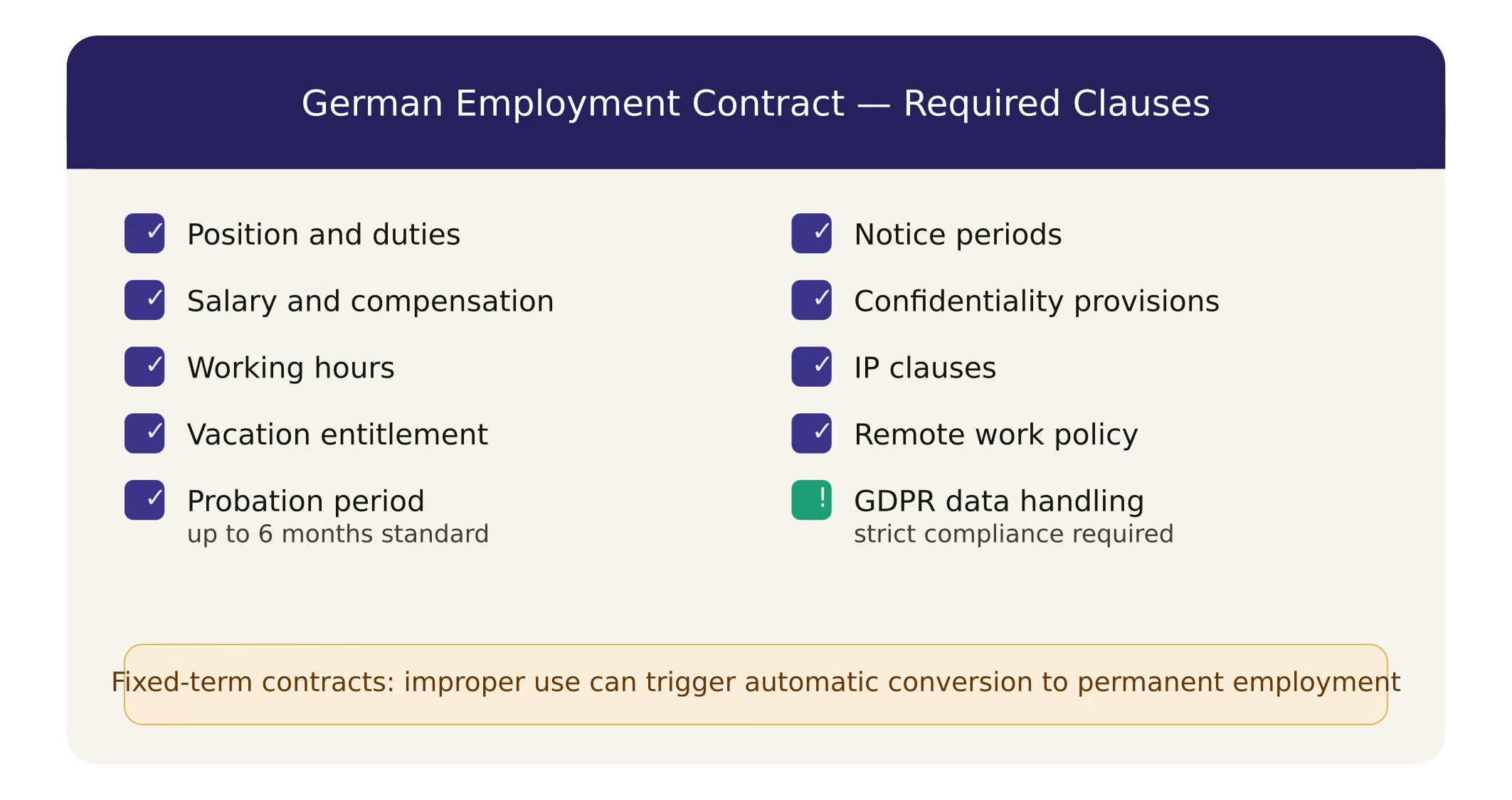
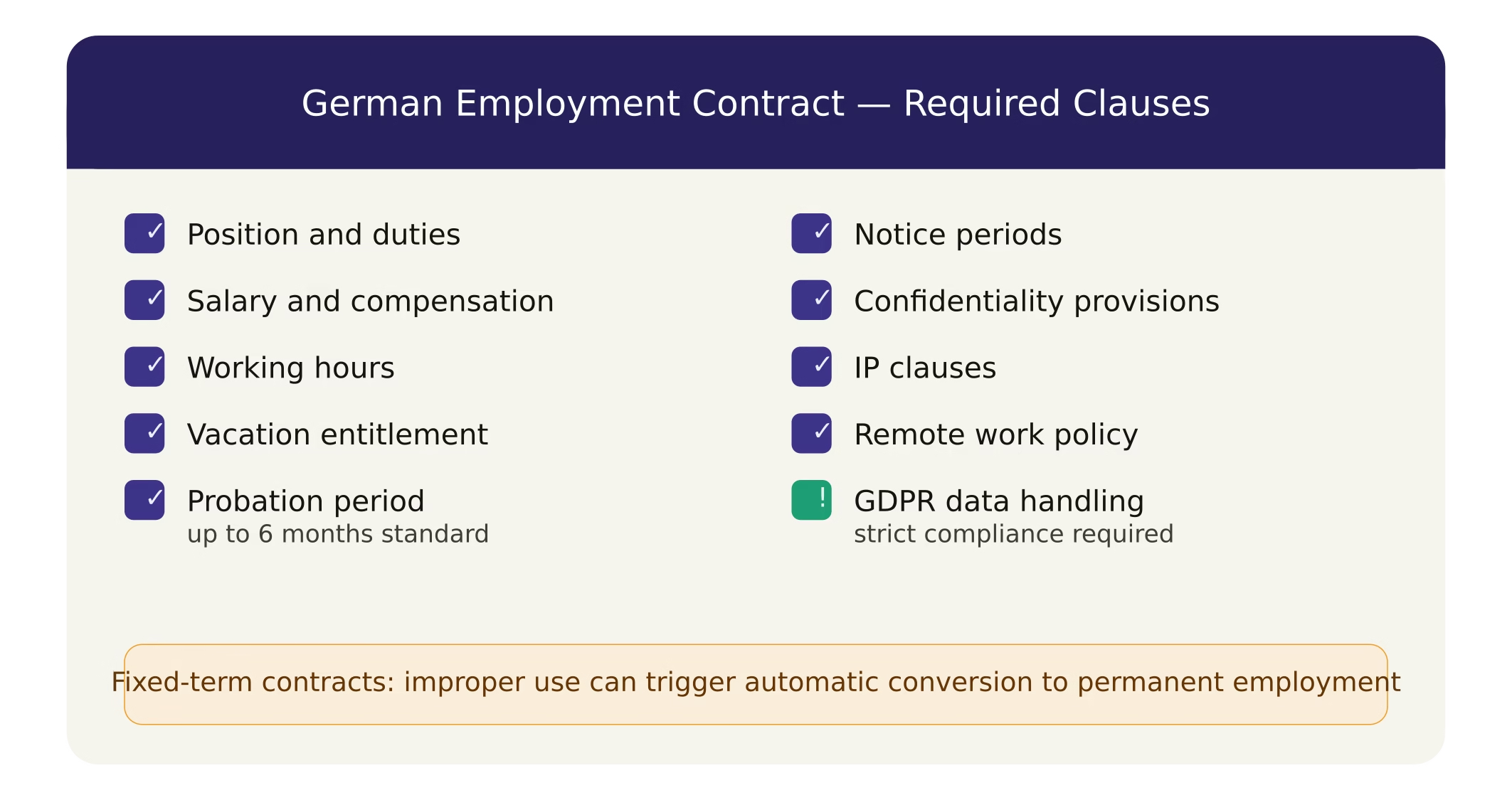
Employment Contracts in Germany
German law requires clear employment terms.
Employment agreements typically include:
- Position and duties
- Salary and compensation
- Working hours
- Vacation entitlement
- Probation period
- Notice periods
- Confidentiality provisions
- Intellectual property clauses
- Remote work policies
Probation Period
The standard probation period is up to six months.
During probation, termination procedures are generally simpler than after the probation period ends.
Fixed-Term Contracts
Fixed-term contracts are permitted but must comply with strict legal requirements.
Improper use of fixed-term arrangements can result in automatic conversion to permanent employment.
Working Hours and Overtime Rules
Germany has strict working time regulations.
Standard Working Hours
Most employees work:
- 35–40 hours per week
Maximum Working Time
Generally:
- 8 hours per day
- Extendable to 10 hours under specific conditions
Rest Periods
Employees must receive mandatory breaks and minimum rest periods between working days.
Employers must maintain accurate records of working time for many categories of workers.
Payroll Compliance in Germany
German payroll compliance is one of the most complex aspects of employment.
Employers are responsible for:
Wage Tax (Lohnsteuer)
Employers withhold income tax directly from employee salaries.
Solidarity Surcharge
Additional tax may apply depending on circumstances.
Church Tax
Applicable for employees registered with certain religious organizations.
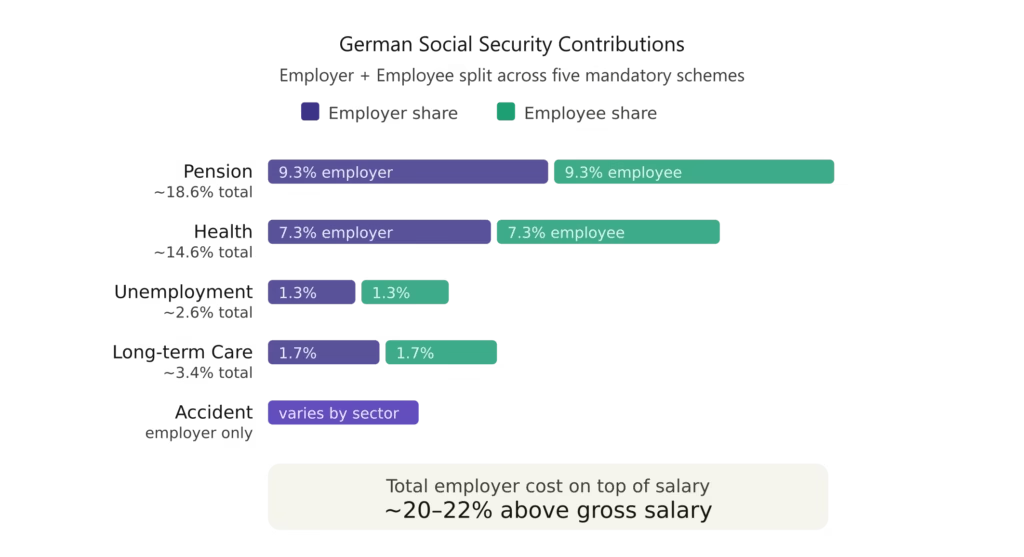
Social Security Contributions
Employers must register employees and make contributions to various social insurance programs.
These include:
Pension Insurance
Retirement benefits.
Health Insurance
Public healthcare funding.
Unemployment Insurance
Provides unemployment protection.
Long-Term Care Insurance
Supports long-term care programs.
Accident Insurance
Workplace injury protection.
Both employers and employees contribute to several social insurance schemes.
Mandatory Employee Benefits in Germany
Germany offers some of Europe’s strongest employee protections.
Paid Vacation
Employees are entitled to statutory paid annual leave.
Most employers provide:
- 20–30 paid vacation days annually
Public Holidays
Public holidays vary by federal state.
Sick Leave
Employees receive paid sick leave under qualifying conditions.
Parental Leave
Germany provides extensive parental leave protections.
Maternity Protection
Special protections apply before and after childbirth.
Health Insurance
Health insurance coverage is mandatory.
Employers must ensure employees are enrolled appropriately.
Employee Classification Risks
Many global companies mistakenly classify workers as independent contractors.
German authorities carefully assess:
- Control and supervision
- Economic dependency
- Integration into company operations
- Working arrangements
Misclassification can result in:
- Back taxes
- Social security liabilities
- Penalties
- Employment law claims
Germany is considered one of the strictest countries in Europe regarding worker classification.
Termination Rules in Germany
Termination compliance is one of the most important aspects of German employment law.
Notice Periods
Notice periods depend on:
- Length of service
- Employment agreements
- Collective bargaining arrangements
Protection Against Dismissal
Employees may be protected under the German Protection Against Dismissal Act after meeting eligibility requirements.
Employers often need a legally valid reason for termination.
Examples include:
- Operational restructuring
- Employee misconduct
- Performance-related issues
Severance Considerations
Although not always mandatory, severance payments are common during negotiated exits.
Improper termination can lead to costly litigation.
Remote Hiring and Compliance Challenges
Foreign employers frequently encounter challenges when hiring remotely in Germany.
Common issues include:
Payroll Registration
Complex tax and social security requirements.
Employment Documentation
Contracts must align with German regulations.
GDPR Compliance
Strict employee data protection requirements.
Worker Classification
Freelancer arrangements require careful review.
Benefits Administration
Mandatory benefit obligations must be managed correctly.
Termination Risk
Dismissal procedures require significant attention to compliance.
Why Companies Use Deel to Hire in Germany
Deel helps businesses expand into Germany while reducing compliance risks.
Key capabilities include:
Localized Employment Contracts
Contracts tailored to German labor regulations.
German Payroll Processing
Automated payroll calculations and tax compliance.
Social Security Administration
Management of required employer obligations.
In-Country Compliance Support
Access to local legal and HR expertise.
Employee Onboarding
Fast and compliant onboarding processes.
Contractor and Employee Management
Manage different worker types through one platform.
Global Expansion Infrastructure
Scale from Germany into additional European and global markets.
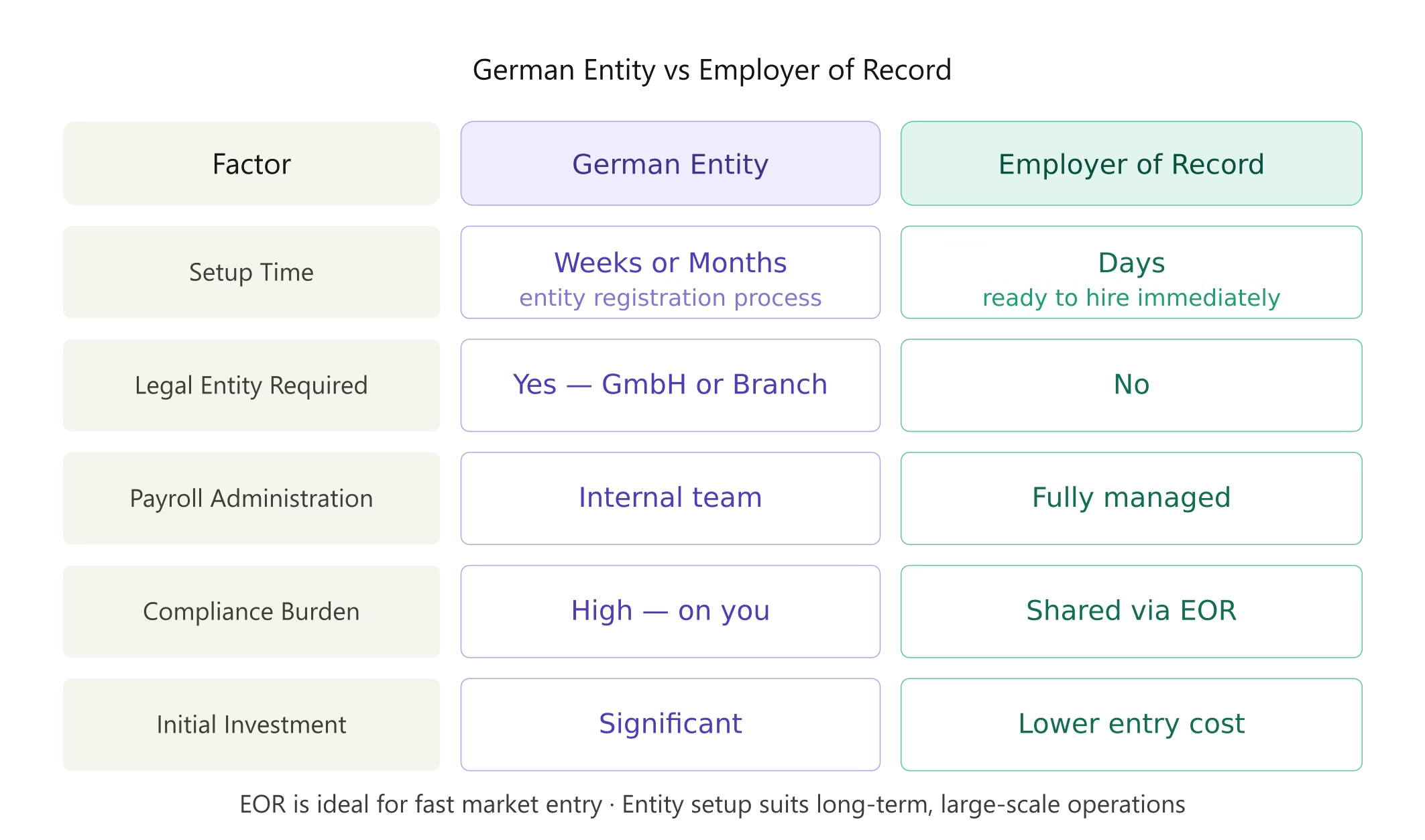
Germany Entity vs Employer of Record Comparison
| Factor | German Entity | Employer of Record |
|---|---|---|
| Setup Time | Several Weeks or Months | Days |
| Legal Entity Required | Yes | No |
| Payroll Administration | Internal | Managed |
| Compliance Responsibility | High | Shared Through EOR |
| Initial Investment | Significant | Lower |
| Speed to Hire | Slower | Faster |
For companies hiring their first employees in Germany, an EOR often provides the fastest route to market.
For larger, long-term operations, establishing a German entity may eventually become more cost-effective.
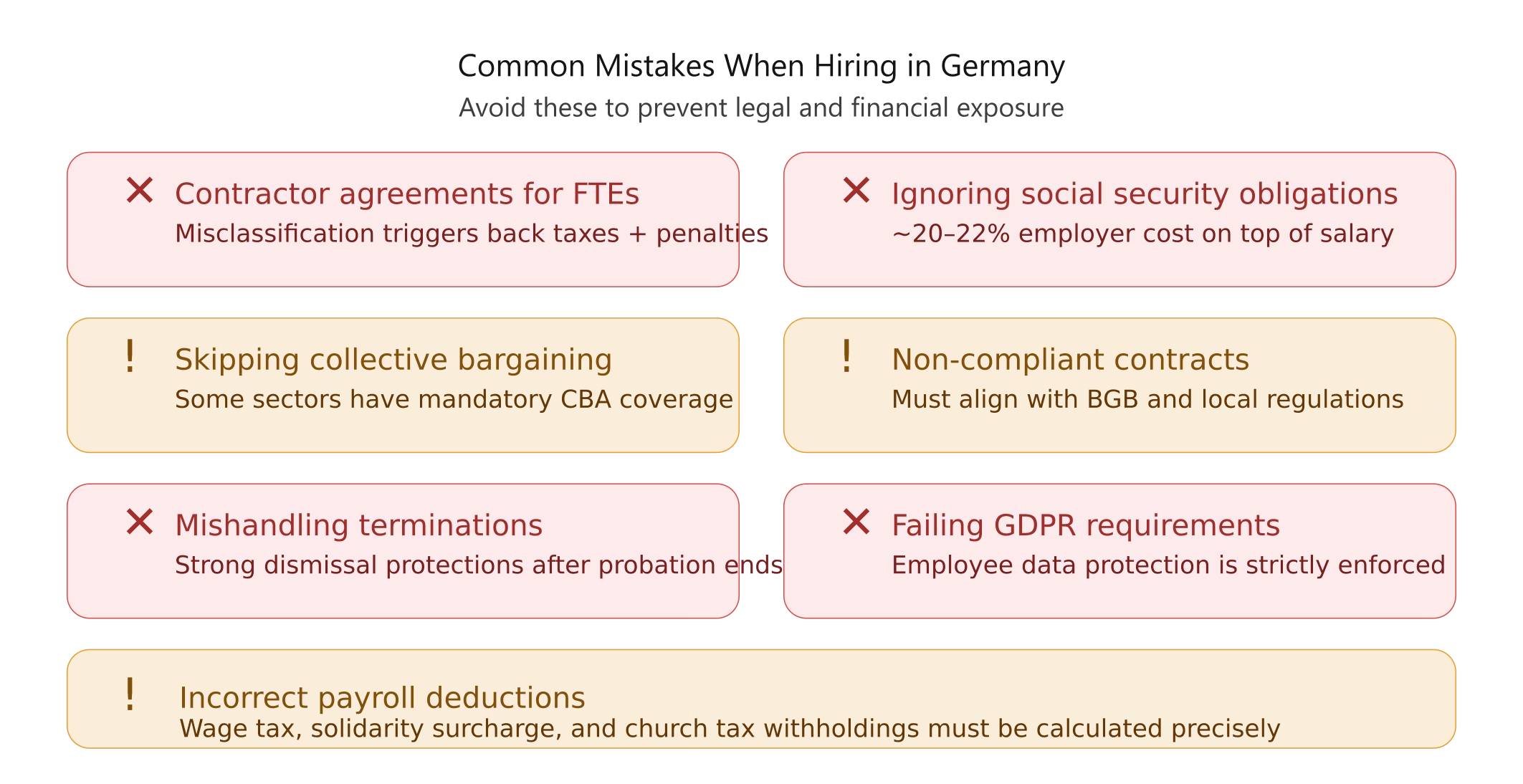
Common Mistakes Foreign Companies Make When Hiring in Germany
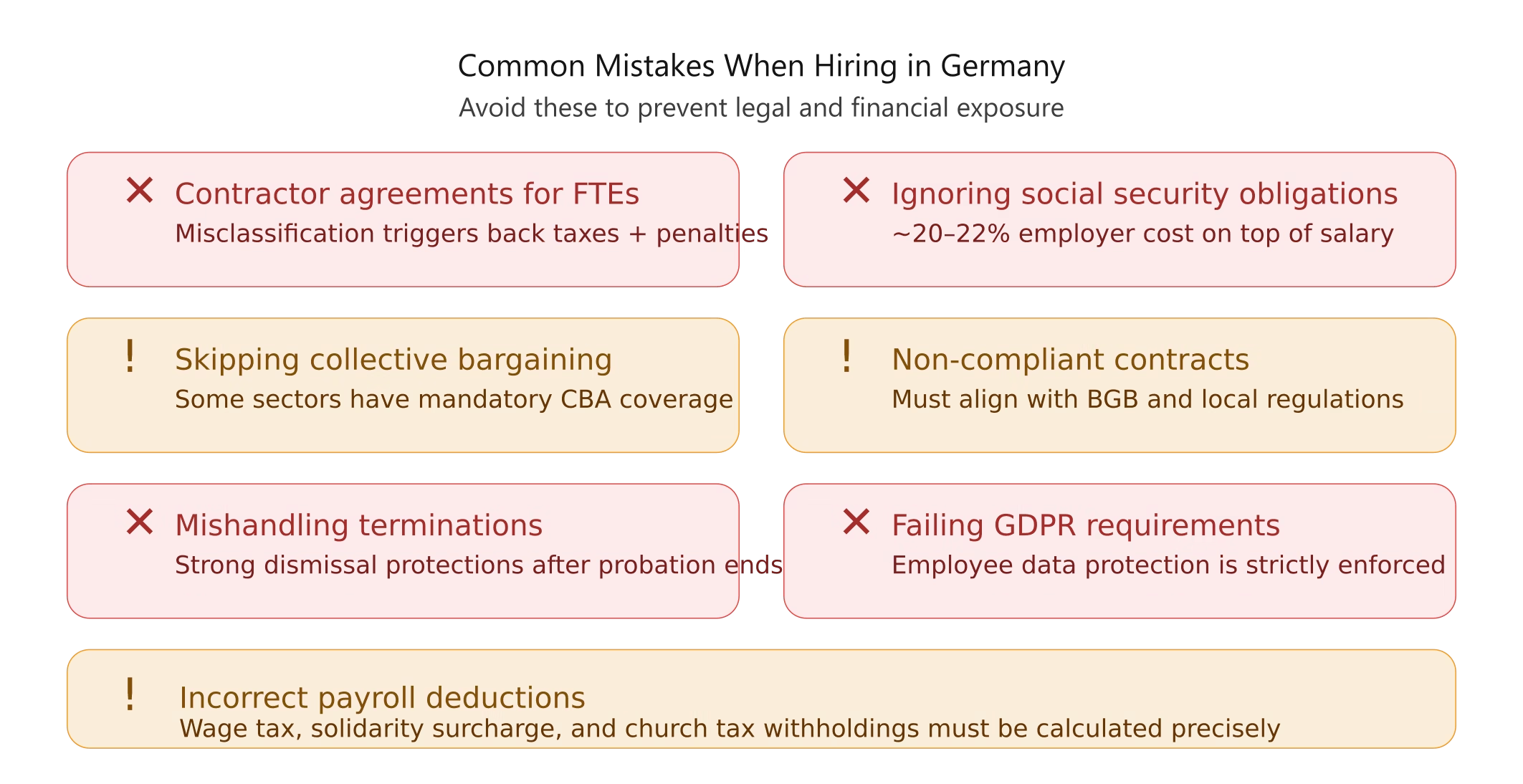
- Using contractor agreements for full-time workers.
- Underestimating social security obligations.
- Ignoring collective bargaining agreements.
- Using non-compliant employment contracts.
- Mishandling employee terminations.
- Failing to comply with GDPR requirements.
- Incorrectly calculating payroll deductions.
These mistakes can lead to significant compliance and financial risks.
Final Thoughts
Germany offers access to one of Europe’s most talented and productive workforces, making it an attractive destination for global expansion.
However, hiring employees in Germany requires careful management of employment laws, payroll obligations, social security contributions, benefits administration, worker classification, and termination procedures.
Companies that fail to understand local regulations can face substantial legal and financial exposure.
For organizations looking to hire quickly and compliantly, an Employer of Record solution such as Deel can simplify expansion, reduce administrative burden, and accelerate hiring without the need to establish a local entity.
Ready to Hire Employees in Germany?
Whether you’re building a sales team in Berlin, hiring engineers in Munich, or expanding operations across Germany, Deel’s Germany Employer of Record solution can help you onboard talent quickly while staying compliant with local employment and payroll regulations.
Explore Deel Germany through your affiliate link and speak with a local expansion expert today.
- Hire employees in Germany
- Germany Employer of Record
- Germany EOR
- Hiring in Germany
- Germany payroll compliance
- Germany employment law
- Germany employee benefits
- Germany social security contributions
- How to hire employees in Germany
- Germany remote hiring guide
- Employer of Record Germany
- Germany payroll guide for foreign companies